



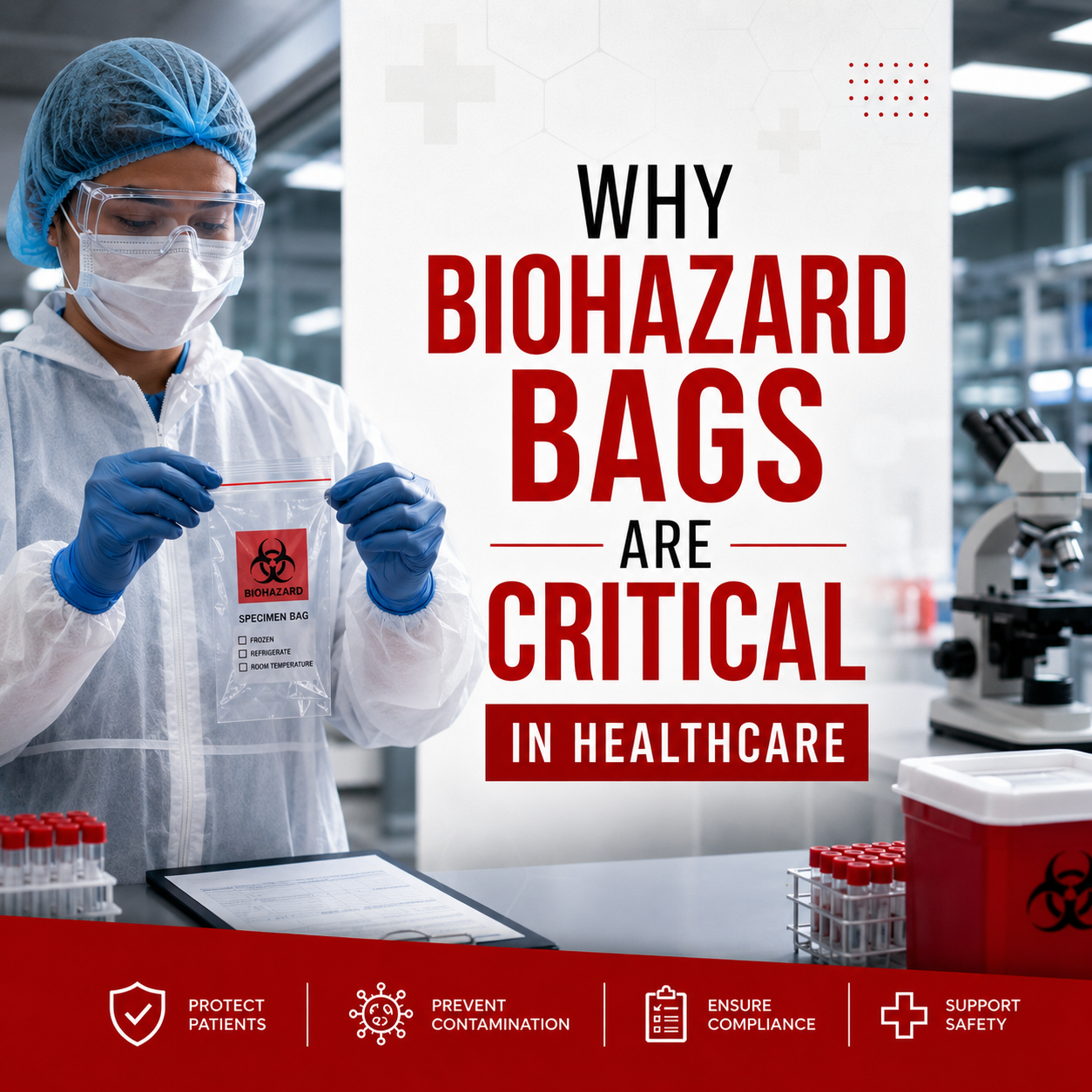
Why Biohazard Bags Are Critical in Healthcare: The Ultimate Guide to Infection Control and Medical Safety
In healthcare, safety is never optional. Every day, hospitals, laboratories, clinics, and diagnostic centers handle thousands of biological specimens, contaminated materials, and infectious waste that could pose serious health risks if not managed correctly.
One of the most important yet often overlooked tools in infection prevention is the biohazard bag.
Biohazard bags are not just containers, they are a frontline defense system that protects healthcare professionals, patients, laboratory staff, waste handlers, and the wider community from dangerous exposure to infectious materials.
From specimen transport to medical waste disposal, biohazard bags play a critical role in maintaining healthcare safety standards and preventing cross-contamination.
If your healthcare facility prioritizes patient safety, infection prevention, and compliance, understanding the importance of biohazard bags is essential.
What Are Biohazard Bags?
Biohazard bags are specially designed bags used to safely contain, transport, and dispose of potentially infectious materials, medical waste, laboratory specimens, and biohazardous substances.
These bags are clearly marked with the internationally recognized biohazard symbol to warn healthcare workers and waste management personnel about potentially dangerous contents.
Biohazard bags are commonly used in:
- Hospitals
- Medical laboratories
- Diagnostic centers
- Blood banks
- Research facilities
- Clinics
- Pharmaceutical facilities
- Veterinary hospitals
Their primary purpose is to reduce exposure to infectious agents and maintain safe healthcare environments.
Why Biohazard Bags Are Critical in Healthcare
1. Prevent Cross-Contamination
One of the biggest risks in healthcare settings is cross-contamination.
When contaminated specimens or infectious waste are improperly handled, bacteria, viruses, and harmful pathogens can spread rapidly across surfaces, equipment, and personnel.
Biohazard bags create a secure containment system that minimizes exposure and prevents harmful materials from contaminating clean environments.
This is especially important in:
- Emergency rooms
- Intensive care units
- Clinical laboratories
- Surgical departments
- Specimen collection centers
By safely isolating infectious materials, healthcare facilities significantly reduce the risk of healthcare-associated infections (HAIs).
Healthcare workers are constantly exposed to potentially hazardous biological materials.
Doctors, nurses, lab technicians, and waste management personnel rely on proper infection control systems to stay safe while performing critical tasks.
Biohazard bags help protect healthcare workers from exposure to:
- Bloodborne pathogens
- Contaminated specimens
- Infectious fluids
- Biohazard waste
- Viral and bacterial contaminants
Combined with personal protective equipment (PPE) such as gloves, masks, and gowns, biohazard bags form an essential layer of protection in healthcare safety protocols.
Transporting biological specimens safely is crucial for both safety and testing accuracy.
Improper specimen handling can lead to:
- Leakage
- Spills
- Sample contamination
- Exposure incidents
- Incorrect test results
High-quality specimen transport bags are designed to securely contain samples during movement between healthcare facilities, laboratories, and diagnostic centers.
Many medical specimen transport bags also include:
- Leak-resistant seals
- Separate document pouches
- Tamper-evident closures
- Temperature handling indicators
These features help ensure both specimen integrity and healthcare worker safety.
Healthcare environments are highly vulnerable to the spread of infectious diseases.
Without proper containment systems, dangerous pathogens can quickly spread through contact with contaminated materials.
Biohazard bags help contain:
- COVID-19 related waste
- Blood samples
- Laboratory cultures
- Infectious tissue samples
- Contaminated PPE
- Sharps waste
By securely isolating hazardous materials, healthcare facilities can reduce infection transmission and support public health safety.
Healthcare facilities must comply with strict infection control and medical waste management regulations.
Proper use of biohazard bags helps organizations meet standards established by:
- OSHA (Occupational Safety and Health Administration)
- CDC (Centers for Disease Control and Prevention)
- WHO (World Health Organization)
- Local healthcare authorities
- Medical waste disposal regulations
Non-compliance can lead to:
- Safety violations
- Legal penalties
- Increased infection risks
- Damage to healthcare reputation
Using compliant biohazard waste bags demonstrates a facility’s commitment to patient safety and professional healthcare standards.
Types of Biohazard Bags Used in Healthcare
Different healthcare applications require different types of biohazard bags.
Red Biohazard Bags
Red biohazard bags are commonly used for:
- Infectious medical waste
- Blood-contaminated materials
- Pathological waste
- PPE disposal
These bags are highly visible and universally recognized for hazardous healthcare waste.
Specimen Transport Bags
Specimen transport bags are specifically designed for transporting biological samples safely.
Features often include:
- Leak-proof compartments
- Secondary containment
- Clear labeling areas
- Document pouches
These bags are essential for laboratories, hospitals, and diagnostic facilities.
Autoclave Biohazard Bags
Autoclave bags are designed to withstand high-temperature sterilization processes.
They are used in laboratories and healthcare facilities where infectious waste requires sterilization before disposal.
Chemotherapy Waste Bags
These specialized bags are used to safely dispose of hazardous chemotherapy-related materials.
They help protect healthcare staff from exposure to toxic pharmaceutical substances.
Best Practices for Using Biohazard Bags in Healthcare
Proper use of biohazard bags is essential for maximum safety.
1. Always Use Appropriate PPE
Healthcare professionals should wear:
- Gloves
- Face masks
- Protective gowns
- Eye protection
when handling infectious materials.
Overfilled bags increase the risk of leaks, tears, and spills.
Facilities should establish proper waste disposal protocols to ensure safe handling.
Proper sealing prevents accidental exposure during transport and disposal.
Leak-proof closures are critical in infection prevention.
All biohazard bags should display visible biohazard markings and comply with regulatory labeling requirements.
5. Follow Disposal Guidelines
Healthcare facilities should work with licensed medical waste disposal providers to ensure proper disposal procedures.
The Growing Importance of Biohazard Bags in Modern Healthcare
The COVID-19 pandemic significantly increased global awareness about infection prevention and healthcare safety.
Healthcare organizations now place greater emphasis on:
- Infection control systems
- Medical waste management
- Safe specimen handling
- PPE compliance
- Laboratory safety protocols
As healthcare systems continue evolving, the demand for high-quality biohazard bags and specimen transport solutions continues to grow.
Facilities that invest in proper containment solutions not only improve safety but also strengthen operational efficiency and regulatory compliance.
How High-Quality Biohazard Bags Improve Healthcare Operations
Choosing reliable biohazard bags provides long-term benefits for healthcare organizations.
Improved Safety
Secure containment reduces accidental exposure and contamination risks.
Better Compliance
Healthcare facilities can maintain compliance with industry regulations and infection control standards.
Enhanced Efficiency
Properly designed bags improve specimen handling, transportation, and waste management workflows.
Increased Confidence
Healthcare workers feel safer when effective protective systems are in place.
Common Mistakes Healthcare Facilities Should Avoid
Many healthcare facilities unknowingly increase contamination risks through improper handling practices.
Avoid these common mistakes:
- Failing to seal bags properly
- Mixing hazardous and non-hazardous waste
- Ignoring PPE protocols
- Improper specimen labeling
- Overfilling biohazard bags
- Using non-compliant disposal methods
Small errors can lead to major safety consequences.
Final Thoughts
Biohazard bags are one of the most essential tools in modern healthcare safety.
They help prevent cross-contamination, protect healthcare professionals, support infection control, ensure regulatory compliance, and reduce the spread of infectious diseases.
From hospitals and laboratories to diagnostic facilities and research centers, proper biohazard containment is critical for maintaining safe healthcare environments.
As infection prevention becomes an even greater global priority, healthcare organizations must continue investing in reliable biohazard safety solutions that protect both people and public health.
Every sealed biohazard bag represents one more step toward safer healthcare for everyone.



Leave a comment