



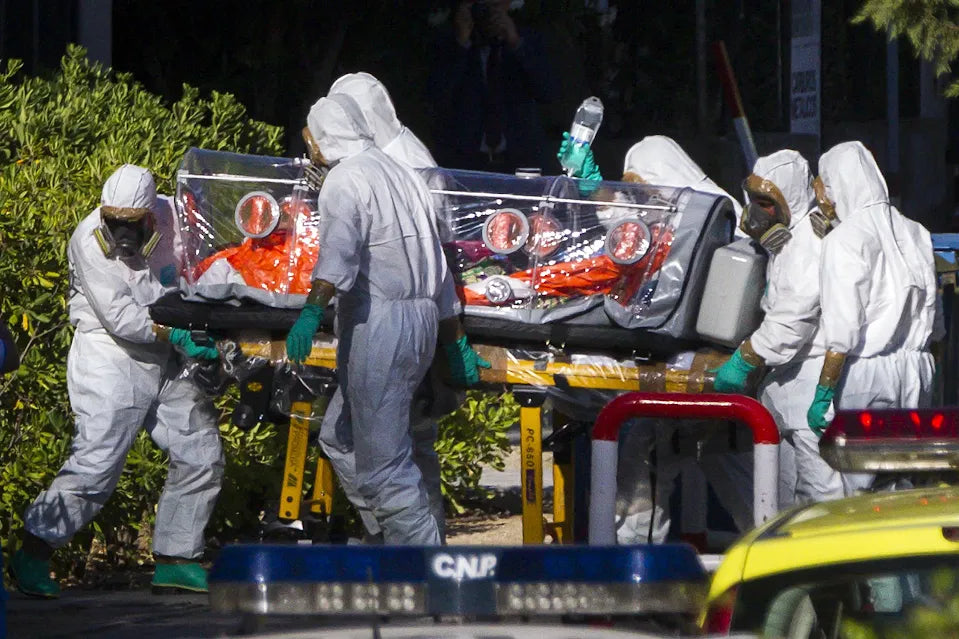
Protection Gear Saves More Than Lives: Why PPE Still Matters in Preventing the Next Outbreak
There are moments in history that quietly change the way we see the world forever.
For many people, outbreaks and global health emergencies were once things that happened “somewhere else.” Until suddenly, they weren’t. Hospitals became overwhelmed. Frontline workers carried enormous emotional and physical burdens. Families worried about invisible threats on everyday surfaces. And one simple truth became painfully clear:
Preparation matters.
Today, even as life feels more normal again, the importance of personal protective equipment (PPE) should never be forgotten. Protection gear is not only for hospitals during a crisis. It is an essential layer of defense that helps reduce exposure, slow contamination, and protect communities from another preventable outbreak.
Why PPE Is More Important Than Ever
Infectious diseases do not announce themselves before they spread.
A single exposure to contaminated fluids, droplets, or biological material can impact not just one person, but entire workplaces, households, and communities. This is why frontline workers from healthcare professionals to emergency responders and laboratory staff rely heavily on proper protection gear.
PPE acts as a barrier between people and harmful contaminants. It helps reduce transmission risks in situations where contact with bodily fluids, infectious materials, or hazardous environments may occur.
But beyond science and safety protocols, PPE represents something deeply human: responsibility.
“I want to protect myself, but I also want to protect everyone around me.”
The Hidden Heroes of Every Emergency Response
When people think of emergency response, they often picture ambulances, sirens, and fast action. What many do not see is the quiet role protection gear plays behind the scenes.
Before a first responder can help someone else, they must first make sure they are protected.
A complete PPE setup like a First Responder Fluid Spread Prevention Kit is designed to create head-to-toe coverage in environments where exposure risks are real. Every piece serves a purpose:
-
A surgical hood cap helps reduce contamination around the head and hair
-
Safety goggles and face shields protect the eyes and face from fluid splashes
-
Surgical masks provide an important respiratory barrier
-
Protective gowns and heavy-duty aprons help shield the body from contamination
-
Gloves create a crucial layer between hands and potentially infectious materials
-
Safety boots protect footwear and reduce cross-contamination risks
These are not just “accessories.” They are essential tools that help people safely do difficult jobs in high-pressure situations.
Preventing Another Outbreak Starts With Preparedness
One of the biggest lessons learned from past outbreaks is that prevention is always easier than containment.
Once a disease spreads widely, the cost is measured not only in healthcare resources, but also in emotional trauma, economic disruption, and lost lives.
Preparedness is what helps reduce that risk.
Having accessible PPE kits available for healthcare workers, emergency teams, clinics, laboratories, and support staff means people can respond faster and more safely when exposure risks arise.
And preparedness does not only apply during large-scale emergencies.
Daily exposure risks exist in:
-
Clinics and hospitals
-
Diagnostic laboratories
-
Ambulance and rescue operations
-
Disaster response situations
-
Biohazard cleanup environments
-
Community health outreach work
In these settings, proper protective gear becomes part of a larger public health strategy aimed at reducing contamination and preventing chain transmission.
Protection Gear Helps Stop Cross-Contamination
One of the lesser-discussed dangers during outbreaks is cross-contamination.
A contaminated glove touching a surface.
An exposed shoe stepping into another room.
An unprotected face exposed to airborne droplets.
Small moments can lead to larger consequences.
This is why layered protection matters so much.
For example, using multiple glove layers allows workers to safely remove outer contaminated gloves while maintaining protection underneath. Protective gowns and aprons add another barrier against fluid spread. Specimen transport bags help safely contain potentially infectious materials.
Even simple items like alcohol wipes can support safer surface handling and quick decontamination efforts.
Outbreak prevention often depends on these small but consistent safety habits.
PPE Is Also About Mental Confidence
There is another side to protection gear that people rarely talk about: peace of mind.
For frontline workers, wearing proper PPE can reduce anxiety during stressful situations. It allows professionals to focus on helping others rather than constantly worrying about exposure risks.
During past public health crises, many healthcare workers experienced emotional exhaustion partly because of inadequate protective supplies. Access to complete, organized PPE kits can help teams feel more prepared and supported.
And when workers feel safer, they can perform their responsibilities more effectively.
Education Is Just as Important as Equipment
Having protection gear available is only part of the solution. People also need education on how and why to use it correctly.
Improper removal of gloves, touching contaminated surfaces, or wearing incomplete protective gear can reduce effectiveness. Awareness and training are critical.
This is why conversations about PPE should continue even outside of emergencies. Public awareness creates stronger preparedness culture and preparedness saves lives.
The goal is not fear.
The goal is readiness.
A Reminder We Should Not Ignore
The world has already seen how quickly outbreaks can reshape daily life.
That experience should not fade into memory without action.
Investing in proper protection gear, emergency preparedness, and workplace safety is not about expecting disaster. It is about respecting reality and learning from the past.
Every mask, glove, face shield, and protective gown represents a simple but powerful idea:
Prevention matters.
And sometimes, the smallest layers of protection can make the biggest difference.
Final Thoughts
Protection gear is often seen as something technical, clinical, or routine. But at its core, PPE is deeply connected to human care.
It protects the nurse helping a patient.
The responder entering an emergency scene.
The laboratory worker handling sensitive samples.
The cleaner disinfecting contaminated spaces.
The families waiting for their loved ones to come home safely.
Preventing another outbreak is not only the responsibility of governments or hospitals. It begins with awareness, preparedness, and respecting the importance of protection at every level.
Because safety is never just personal.
It is collective.



Leave a comment