



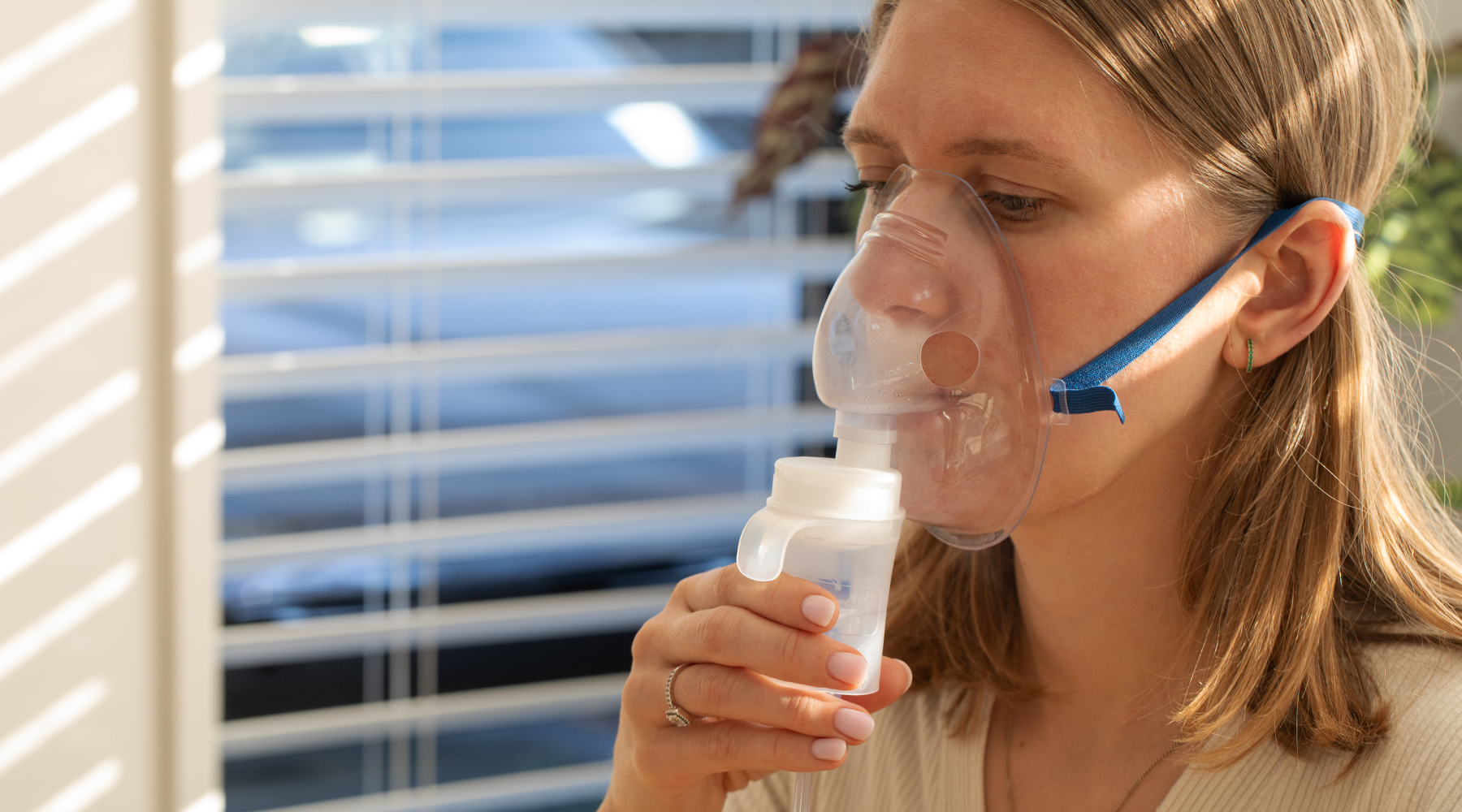
How Cold, Dry Air Worsens Asthma and Other Respiratory Conditions
During winter months and severe cold weather events, respiratory complaints often increase across the United States. Cold, dry air is not just uncomfortable it can significantly aggravate asthma and other chronic respiratory conditions.
Understanding why this happens is essential for patients, caregivers, and healthcare providers preparing for seasonal spikes in respiratory illness.
Why Cold Air Triggers Respiratory Symptoms
When temperatures drop, the air holds less moisture. This means the air we breathe becomes colder and drier. For individuals with asthma or chronic lung conditions, this combination can irritate the airways.
Cold air can:
-
Cause bronchial constriction (narrowing of the airways)
-
Increase airway inflammation
-
Trigger coughing, wheezing, and shortness of breath
-
Exacerbate underlying respiratory diseases
When cold air enters the lungs, it must be warmed and humidified before reaching deeper tissues. In people with asthma, this rapid adjustment can overstimulate sensitive airways, leading to flare-ups.
Asthma and Winter Respiratory Risks
Asthma affects millions of Americans, and winter conditions often worsen symptoms. Cold exposure, combined with indoor allergens and viral infections, increases the likelihood of asthma attacks.
Additional winter-related triggers include:
-
Increased indoor heating (dry air)
-
Dust accumulation from closed environments
-
Respiratory viruses such as influenza and RSV
-
Reduced ventilation in enclosed spaces
Healthcare providers commonly observe higher emergency visits for asthma and respiratory distress during colder months.
Impact on Other Respiratory Conditions
Cold, dry air does not only affect asthma patients. It can also worsen:
-
Chronic Obstructive Pulmonary Disease (COPD)
-
Bronchitis
-
Allergic rhinitis
-
Post-viral respiratory inflammation
For elderly patients and individuals with pre-existing lung conditions, prolonged exposure to cold air may lead to increased complications.
Preventive Measures During Cold Weather
To reduce respiratory complications during cold weather:
-
Cover the nose and mouth with a scarf when outdoors
-
Use indoor humidifiers to maintain healthy air moisture levels
-
Avoid strenuous outdoor activity in freezing temperatures
-
Maintain prescribed asthma or COPD medications
-
Monitor symptoms closely and seek care when necessary
Healthcare facilities should also anticipate seasonal increases in respiratory testing and diagnostic demand.
Reliable Medical Supplies Matter During Severe Weather
Severe winter conditions place added pressure on clinics, urgent care centers, and laboratories. As respiratory complaints rise, consistent access to diagnostic tools and clinical supplies becomes critical.
Reliable medical supplies help ensure:
-
Accurate respiratory testing
-
Efficient patient screening
-
Continuity of care during peak demand
-
Reduced operational disruption during extreme weather
At LabMedusa, we understand that healthcare operations must remain uninterrupted especially during severe winter events. Maintaining dependable inventory of laboratory and clinical essentials supports providers in delivering timely, effective care when patients need it most.
Because in challenging conditions, preparation and reliability make all the difference.
Explore our full range of laboratory and medical supplies at labmedusa.com.



Leave a comment