



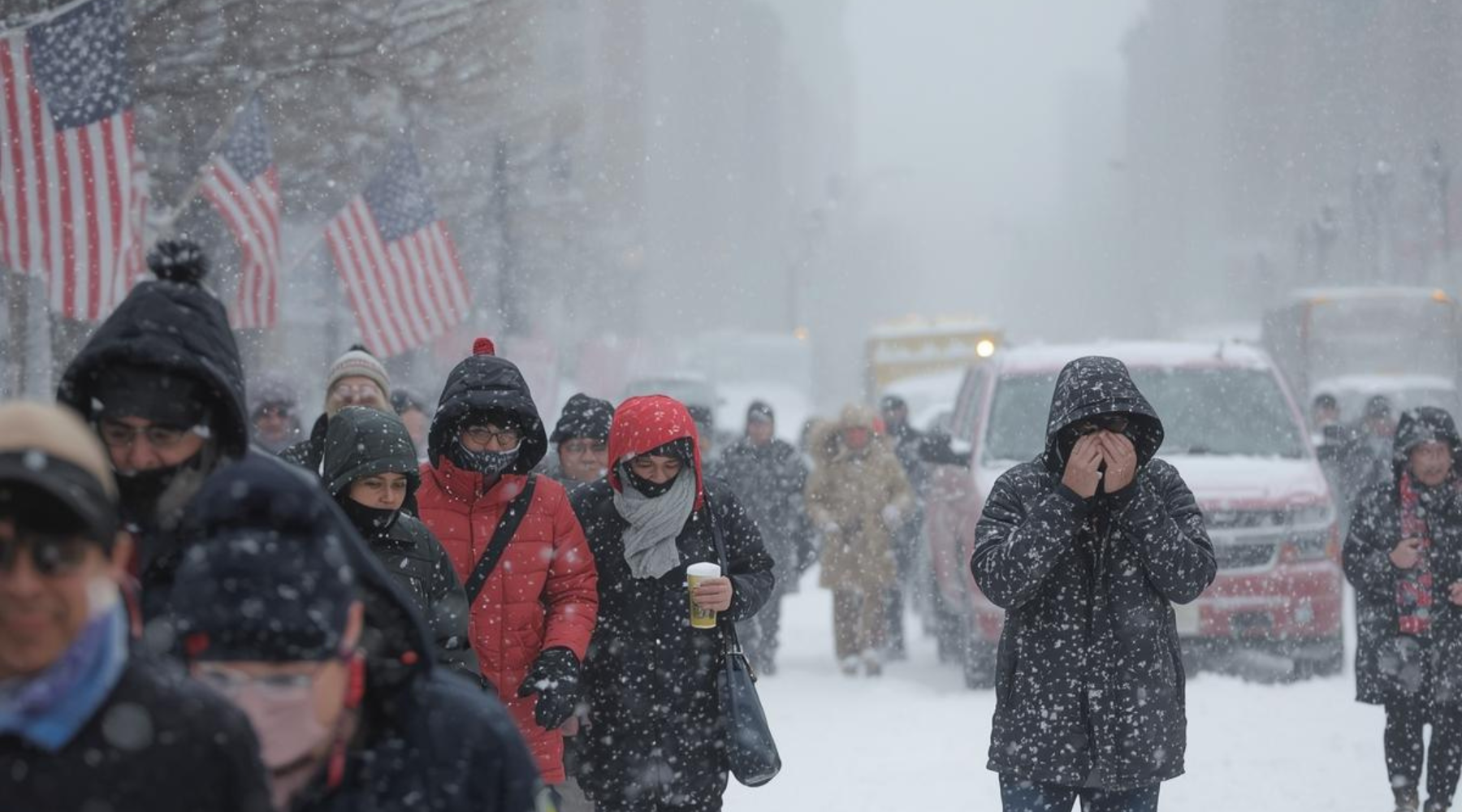
How the Current Snowstorm Is Affecting Public Health in the U.S.
Severe winter storms do more than disrupt travel and daily routines, they can significantly affect public health. Across the United States, heavy snowfall, freezing temperatures, and icy conditions increase the risk of injury, illness, and strain on healthcare systems.
Understanding common snowstorm health risks can help communities stay prepared and safe.
Cold-Related Illnesses: Hypothermia & Frostbite
Freezing temperatures increase the risk of:
-
Hypothermia (dangerously low body temperature)
-
Frostbite (skin and tissue damage from freezing)
Older adults, children, and people with chronic conditions are especially vulnerable during extreme winter storms.
Heart and Respiratory Strain
Cold weather causes blood vessels to constrict, which may raise blood pressure and increase the risk of:
-
Heart attacks
-
Strokes
-
Cardiovascular complications
In addition, cold, dry air can worsen asthma and other respiratory conditions. During winter storms, cases of respiratory illness often increase.
Injuries from Ice and Snow
Icy sidewalks and roads contribute to:
-
Slips and falls
-
Fractures
-
Head injuries
-
Car accidents
Emergency departments frequently report higher injury rates during heavy snowfall events.
Staying Prepared During a Winter Storm
To reduce winter storm health risks:
-
Dress in insulated layers
-
Limit prolonged outdoor exposure
-
Avoid overexertion (such as heavy snow shoveling)
-
Check on elderly or vulnerable individuals
-
Monitor symptoms of cold-related illness
Preparedness plays a key role in minimizing complications during extreme weather events.
Impact on Healthcare & Laboratory Services
Snowstorms can disrupt:
-
Medical supply deliveries
-
Staffing availability
-
Diagnostic workflows
At the same time, testing demand often increases. Laboratories and clinics must remain operational despite logistical challenges.
Why Reliable Medical Supplies Matter During Severe Weather
Extreme weather events highlight the importance of healthcare preparedness and supply chain stability. When patient volumes rise and delivery routes become limited, medical facilities rely on consistent access to essential laboratory and clinical products.
Having dependable inventory, including test tubes, diagnostic consumables, and screening supplies helps ensure:
-
Continuity of patient care
-
Accurate diagnostic testing
-
Reduced operational delays
-
Faster clinical response during emergencies
At LabMedusa, we understand that healthcare operations cannot pause due to weather conditions. Reliable access to laboratory essentials supports facilities in maintaining service continuity, even during severe winter storms.
Because in critical moments, preparation and supply reliability make all the difference.
Severe snowstorms highlight the importance of healthcare readiness and emergency preparedness. Maintaining consistent access to clinical supplies and diagnostic tools helps ensure medical services remain uninterrupted even during challenging winter conditions.



Leave a comment