



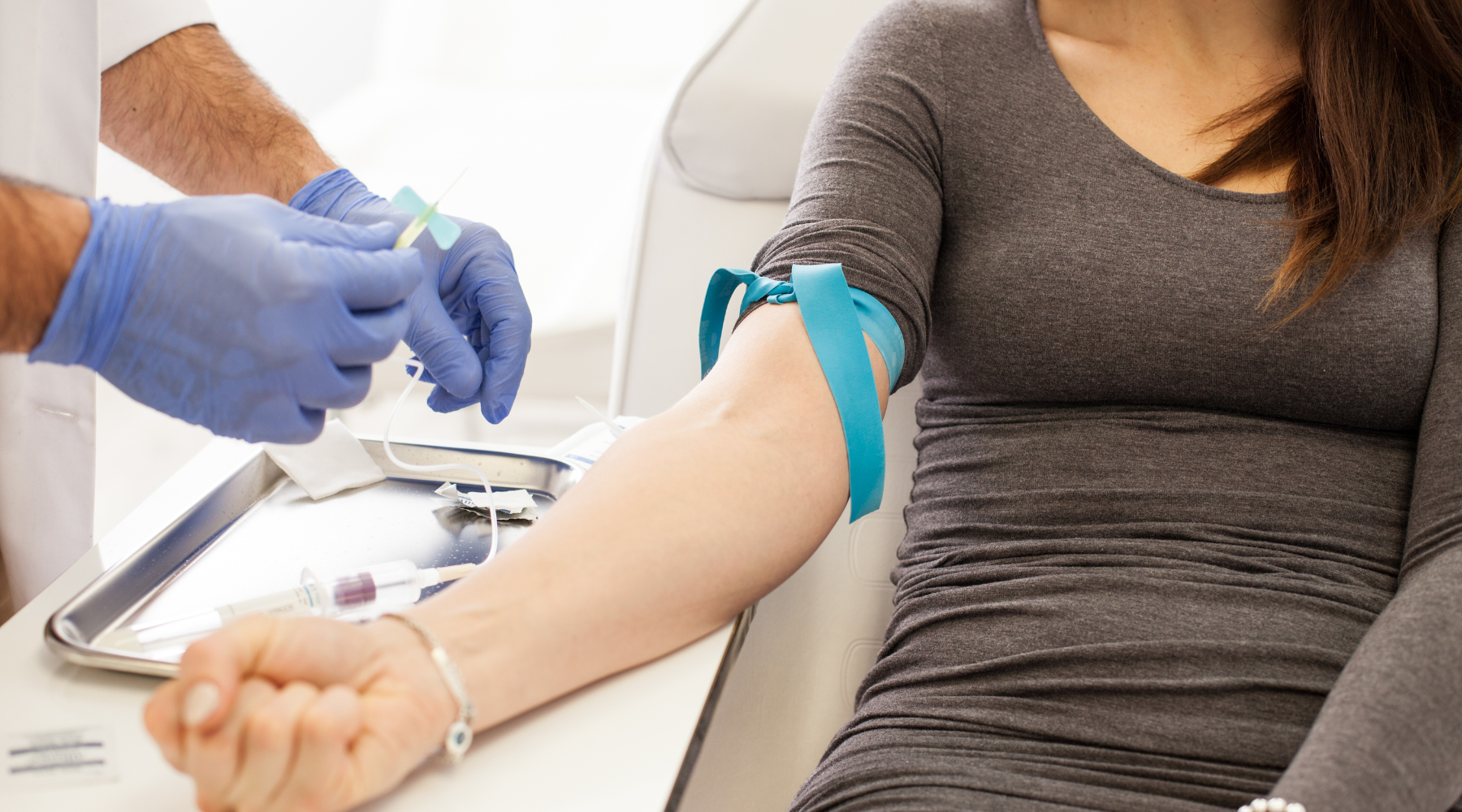
Why a High-Quality Blood Drawing Chair Matters: Safety, Stability, and Long-Term Value
In clinical environments, every piece of equipment plays a role in patient safety and procedural accuracy. One often overlooked but essential component is the blood drawing chair, also known as a phlebotomy chair.
While it may seem like a simple piece of furniture, the quality and design of a blood drawing chair can directly impact patient comfort, staff efficiency, and overall safety.
Blood drawing chairs are used in:
- Hospitals
- Diagnostic laboratories
- Blood banks
- Clinics
They must provide:
- Stability during procedures
- Proper positioning for venipuncture
- Comfort for patients of all sizes
1. The Importance of a Solid Frame
A high-quality blood drawing chair is built with a reinforced metal frame that can support a wide range of patient weights.
Chairs with weak or lightweight construction may:
- Bend or deform over time
- Become unstable during use
- Pose safety risks for heavier patients
A solid frame ensures long-term durability and consistent performance.
2. Stability Is Critical for Safe Procedures
During blood collection, even slight movement can:
- Make vein access more difficult
- Increase patient discomfort
- Raise the risk of procedural error
A well-designed chair offers:
- Anti-wobble construction
- Balanced weight distribution
- Secure armrest positioning
This creates a controlled and safe environment for both patient and clinician.
3. Risks of Low-Quality (Mass-Produced) Chairs
Many facilities choose lower-cost chairs without fully considering long-term implications.
Common drawbacks include:
- Inconsistent build quality
- Weak joints or connectors
- Limited weight capacity
- Shorter product lifespan
These issues can lead to:
- Frequent replacements
- Increased maintenance costs
- Potential safety concerns
4. Designed for All Patients
Modern healthcare requires inclusivity.
A reliable blood drawing chair should:
- Accommodate different body types
- Provide ergonomic support
- Ensure comfort during procedures
This is especially important for:
- Elderly patients
- Bariatric patients
- Long-duration procedures
5. Hygiene and Cleanability
In clinical environments, hygiene is non-negotiable.
High-quality chairs feature:
- Easy-to-clean surfaces
- Chemical-resistant materials
- Minimal crevices where contaminants can accumulate
A blood drawing chair is more than just a seat, it is a critical component of patient care and clinical safety.
Choosing a chair with a solid frame, stable design, and reliable construction helps ensure:
- Safer procedures
- Greater patient comfort
- Long-term cost efficiency
At Labmedusa, we focus on delivering equipment that healthcare professionals can rely on, because every detail in a clinical setting matters.



Leave a comment