In today’s healthcare ecosystem, speed and accuracy often take center stage. Laboratories are expected to process growing volumes of specimens, hospitals are under pressure to optimize workflows, and healthcare providers continue to expand access to diagnostics across wider regions. Yet behind these visible advancements lies a quieter necessity: the secure movement of medical specimens.
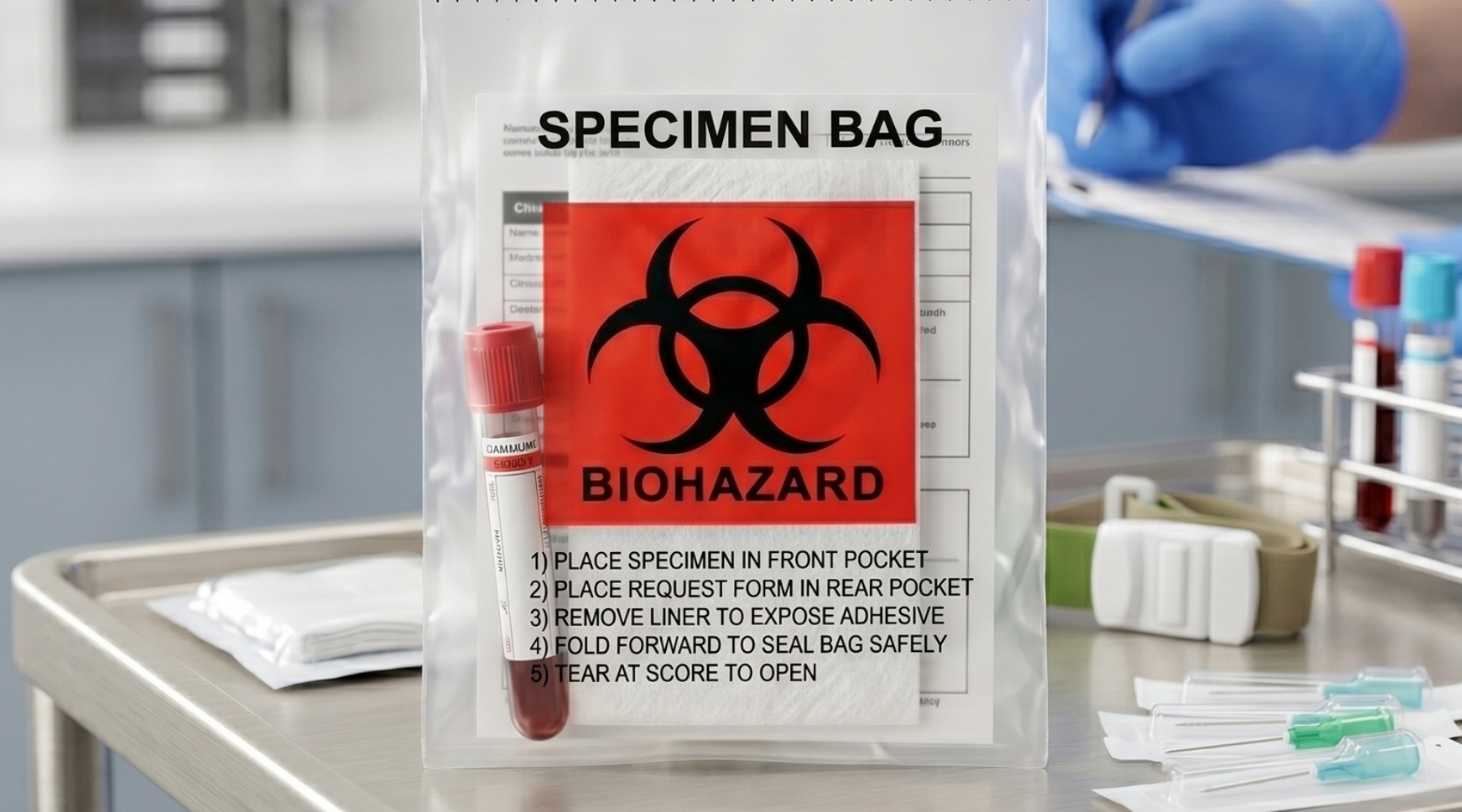
From collection points to laboratories, from hospital wards to waste management units, specimen transport is a critical link in the healthcare chain. And in that chain, containment solutions such as Drawstring Biohazard Specimen Transport Bags – 15 x 17 in (38 x 43 cm) are becoming increasingly important.
While often overlooked, these bags represent a practical response to one of healthcare’s most persistent challenges—how to move potentially hazardous materials safely, efficiently, and responsibly.
The Growing Need for Reliable Specimen Transport
As healthcare systems modernize, specimen volumes continue to rise. Routine diagnostics, infectious disease monitoring, pathology testing, and decentralized healthcare services all contribute to a greater need for dependable transport solutions.
Every specimen collected must be protected not only for safety reasons, but also to preserve integrity and prevent delays. Even a minor leak, tear, or handling issue can disrupt operations, increase risk exposure, and create unnecessary waste.
This is why transport bags are no longer viewed as simple accessories. They are part of a broader quality-control system.
The 15 x 17 inch Drawstring Biohazard Specimen Transport Bag offers a larger-capacity solution designed to meet the demands of facilities managing higher specimen loads or bulk containment needs.
Designed for Practical Use in Real Healthcare Environments
Unlike standard small specimen bags, this larger drawstring format supports flexibility across multiple applications.
Its generous dimensions allow users to contain:
- Multiple specimen containers
- Larger sample kits
- PPE disposal items
- Laboratory waste materials
- Bulk transport items
- Overflow containment during busy shifts
The drawstring closure adds another operational advantage. Fast to secure and easy to handle, it allows healthcare workers to seal contents quickly while maintaining workflow efficiency.
In environments where time and hygiene both matter, simple usability becomes a meaningful feature.
Why Drawstring Closures Matter
Medical professionals know that convenience should never compromise safety. Drawstring bags help solve both needs simultaneously.
Compared with more rigid or slower sealing methods, drawstring closures allow:
- Quick opening and closing
- Reduced handling time
- Better containment during movement
- Easier carrying and transfer
- Secure closure without extra tools
This makes them particularly useful in hospitals, clinics, mobile testing units, and laboratory support teams that manage frequent specimen movement throughout the day.
Supporting Safer Workplaces
The healthcare industry has become increasingly focused on occupational safety. Frontline staff, laboratory technicians, cleaning teams, and couriers all interact with potentially hazardous materials in some form.
Using clearly marked biohazard transport bags helps create stronger safety culture by signaling correct handling procedures and reinforcing compliance standards.
It also reduces avoidable risks associated with exposed or improperly contained materials.
For healthcare leaders, investments in practical safety supplies often deliver returns beyond cost savings—they build trust, accountability, and confidence among teams.
A Small Product with Large Operational Impact
Some of the most effective improvements in healthcare operations come not from expensive equipment, but from reliable everyday tools.
A durable transport bag can help reduce spills, simplify movement, improve organization, and support smoother workflows across departments. Over time, these efficiencies compound.
In high-volume environments, that matters.
The Drawstring Biohazard Specimen Transport Bag – 15 x 17 in is an example of how simple product design can contribute to larger institutional performance.
Where These Bags Are Commonly Used
Because of their size and practicality, large drawstring biohazard bags are suitable for a range of healthcare settings:
- Hospitals and emergency departments
- Diagnostic laboratories
- Outpatient clinics
- Veterinary facilities
- Long-term care centers
- Mobile health units
- Public health programs
- Waste segregation systems
Their versatility makes them valuable for organizations seeking standardized containment solutions across multiple teams.
Looking Ahead: Smarter Healthcare Logistics
As healthcare systems continue evolving, operational resilience will remain a key priority. That means investing not only in advanced technologies, but also in the foundational products that keep systems running safely.
Specimen logistics, infection prevention, and workflow efficiency all depend on dependable tools being available at the right time.
Products like the Drawstring Biohazard Specimen Transport Bag – 15 x 17 in (38 x 43 cm) may not make headlines, but they quietly support the daily movement of healthcare itself.
And in modern healthcare, reliability is never a small matter
Final Thoughts
Behind every test result, every diagnosis, and every patient journey are countless operational details that must work flawlessly. Safe containment is one of them.
Choosing the right specimen transport bag is more than a purchasing decision—it is a commitment to safety, efficiency, and professional standards.
Because in healthcare, even the simplest tools carry significant responsibility.






Leave a comment